
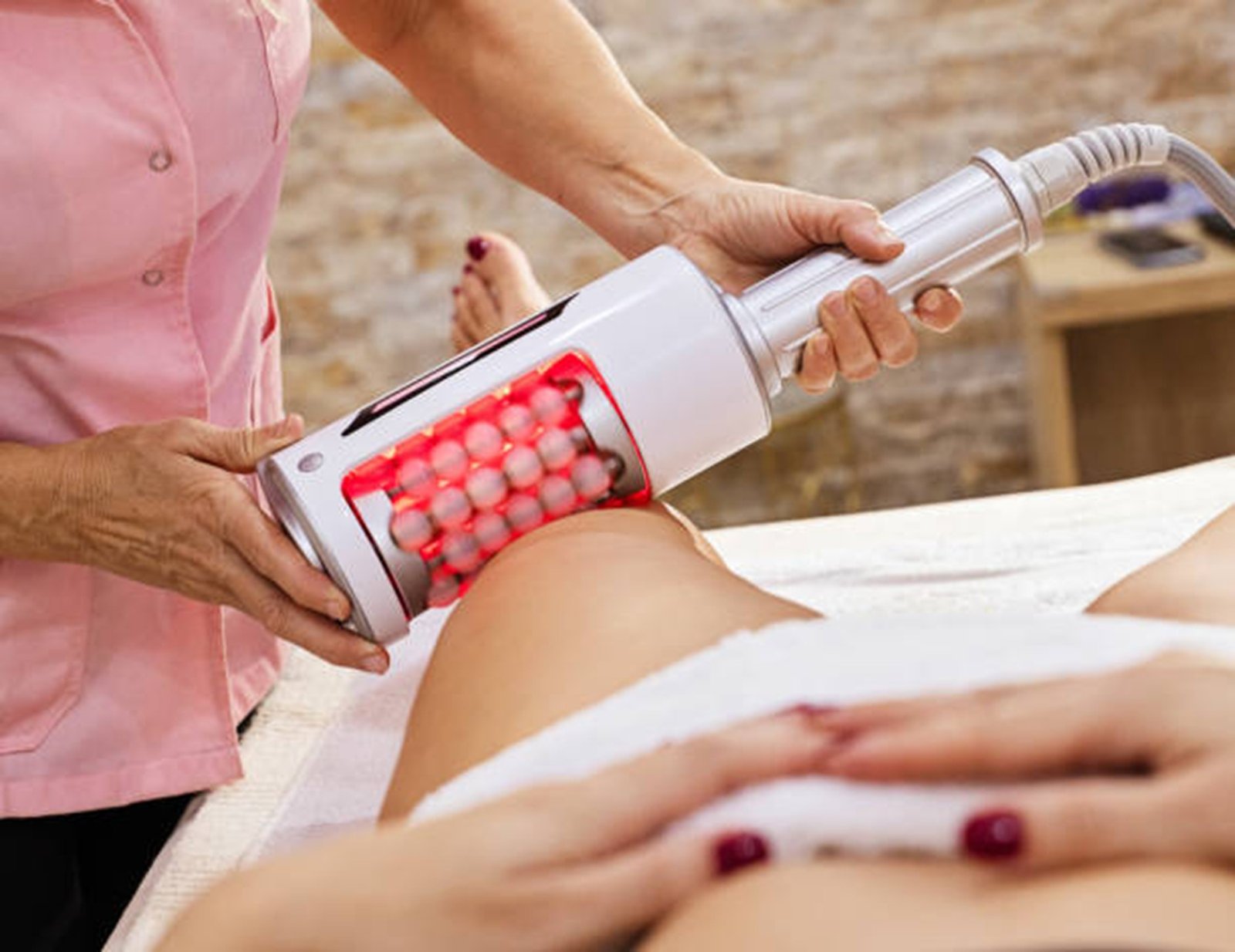
Wellness tech keeps popping up these days. Some trends fade fast. Others stick around because people see real benefits. Light therapy sits in the second group. Many clinics now offer treatments using infrared light or red light. At first glance, they sound almost the same. Many people mix them up. Yet both therapies work in different ways inside the body. Each type of light reaches tissue at a different depth and supports health in its own way. A lot of people try red light therapy during wellness programs focused on metabolism, recovery, and skin health. Understanding how both therapies work helps people choose the right option for their goals.
Light Therapy Means for Wellness
Light therapy uses specific wavelengths of light. These light waves interact with cells inside the body.
Cells contain a tiny structure called mitochondria. Think of mitochondria as the engine inside each cell. These engines produce the energy needed for healing and daily function.
When certain wavelengths of light reach these cells, energy production may increase.
More energy helps cells repair tissue and work better.
Both infrared therapy and red light therapy fall into the category of phototherapy. Yet the depth of light penetration creates the biggest difference between them.
Some therapies target the surface of the skin. Others reach deeper muscle tissue.
Understanding this difference helps explain why clinics offer both options.
How Red Light Therapy Works
Red light therapy uses visible red wavelengths. These light waves fall within a specific range of the light spectrum.
When red light reaches the skin, it penetrates shallow tissue layers.
Inside the cells, mitochondria absorb this light energy. This process helps boost cellular activity.
Many wellness programs include red light therapy because it supports several body functions at once.
Common uses include skin care, tissue repair, and metabolic support.
Some people also explore the treatment during wellness plans designed to improve body balance and circulation.
Sessions usually last around twenty minutes. The treatment feels warm but gentle.
Many people describe the experience as relaxing.
How Infrared Therapy Works
Infrared therapy uses light waves beyond the visible spectrum. Human eyes cannot see these wavelengths.
Infrared light travels deeper into body tissues compared with red light.
These waves penetrate muscles, joints, and deeper layers of tissue.
This deeper reach allows infrared therapy to help support muscle relaxation and circulation.
Infrared light also produces heat. This warmth spreads through tissues and encourages blood flow.
Many people use infrared therapy for muscle soreness or recovery after physical activity.
Infrared heat therapy also appears in wellness treatments like infrared saunas.
People often leave these sessions feeling loose, relaxed, and refreshed.
Main Differences Between Infrared and Red Light Therapy
Both therapies rely on light energy. Yet they serve different roles inside the body.
The biggest difference involves tissue depth.
Red light targets surface tissue. Infrared light travels deeper into muscles and joints.
Here are a few key differences.
- Red light targets skin and shallow tissue
• Infrared light reaches muscles and joints
• Infrared therapy focuses on deep heat and circulation
• Red light produces a visible glow while infrared remains invisible
Because of these differences, many clinics use both treatments in wellness programs.
Light Penetration Depth
Penetration depth plays a huge role in how each therapy works.
Red light waves travel a few millimeters into the skin. This depth makes them useful for skin care and cellular activity.
Infrared light travels deeper. It reaches muscles, joints, and connective tissue.
Because of this deeper reach, infrared therapy often helps support circulation and muscle relaxation.
Many wellness programs combine infrared heat with red light therapy for a balanced approach.
Surface cells receive stimulation while deeper tissues receive warmth and circulation support.
Benefits of Red Light Therapy
Red light therapy offers several benefits for overall wellness.
The treatment stimulates cellular energy production. When cells produce more energy, they function better.
Many people choose red light therapy for several reasons.
Possible benefits include improved skin appearance, better circulation, and support for metabolic activity.
The treatment also helps stimulate collagen production in the skin. This may improve skin texture and tone.
Many wellness clinics include red light sessions in programs designed to support body balance and recovery.
Clients often enjoy the relaxing atmosphere during treatment.
What a Treatment Session Feels Like
Both therapies feel comfortable. Yet the experience differs slightly.
During red light therapy, people sit or lie near a panel of red lights.
The panel shines a visible red light toward the body. The treatment produces mild warmth.
The feeling stays gentle and soothing.
Infrared therapy produces deeper warmth. The heat spreads through muscles and tissue layers.
Some treatments use infrared panels. Others use infrared saunas.
Sessions usually last between twenty and forty minutes, depending on the therapy type.
Many people relax, listen to music, or close their eyes during the treatment.
The experience feels calm and stress-free.
Final Thought
Infrared therapy and red light therapy share one thing in common. Both use light energy to support wellness. Yet each therapy works differently inside the body.
Red light therapy focuses on cellular energy and surface tissue support. Infrared therapy reaches deeper tissues and promotes circulation and muscle relaxation.
Understanding the difference helps people choose the right option for their needs. Many wellness clinics combine both therapies to create a balanced approach to recovery and metabolic support. With the right plan, light-based treatments can become a helpful part of a healthy lifestyle.
FAQs
1. What does red light therapy do?
Red light therapy helps stimulate cellular energy production. This process may support skin health, tissue repair, and circulation.
2. Is infrared therapy the same as red light therapy?
No. Infrared therapy penetrates deeper into muscles and joints. Red light therapy focuses more on surface tissues and cellular activity.
3. Which therapy works better for muscle pain?
Infrared therapy often works better for muscle discomfort because the heat reaches deeper tissues.
4. Can someone use both therapies together?
Yes. Many wellness clinics combine infrared treatments with red light therapy for broader health support.
5. How long does a session take?
Most light therapy sessions last between twenty and forty minutes, depending on the treatment type and wellness goals.
Begin Your Wellness Journey
Ready to explore advanced light therapy for recovery, circulation, and energy support? Professional guidance can help you choose the right approach for your wellness goals. Visit Minnetonka Weight Loss to discover modern treatments designed to support metabolism, relaxation, and long-term health using innovative light therapy solutions.